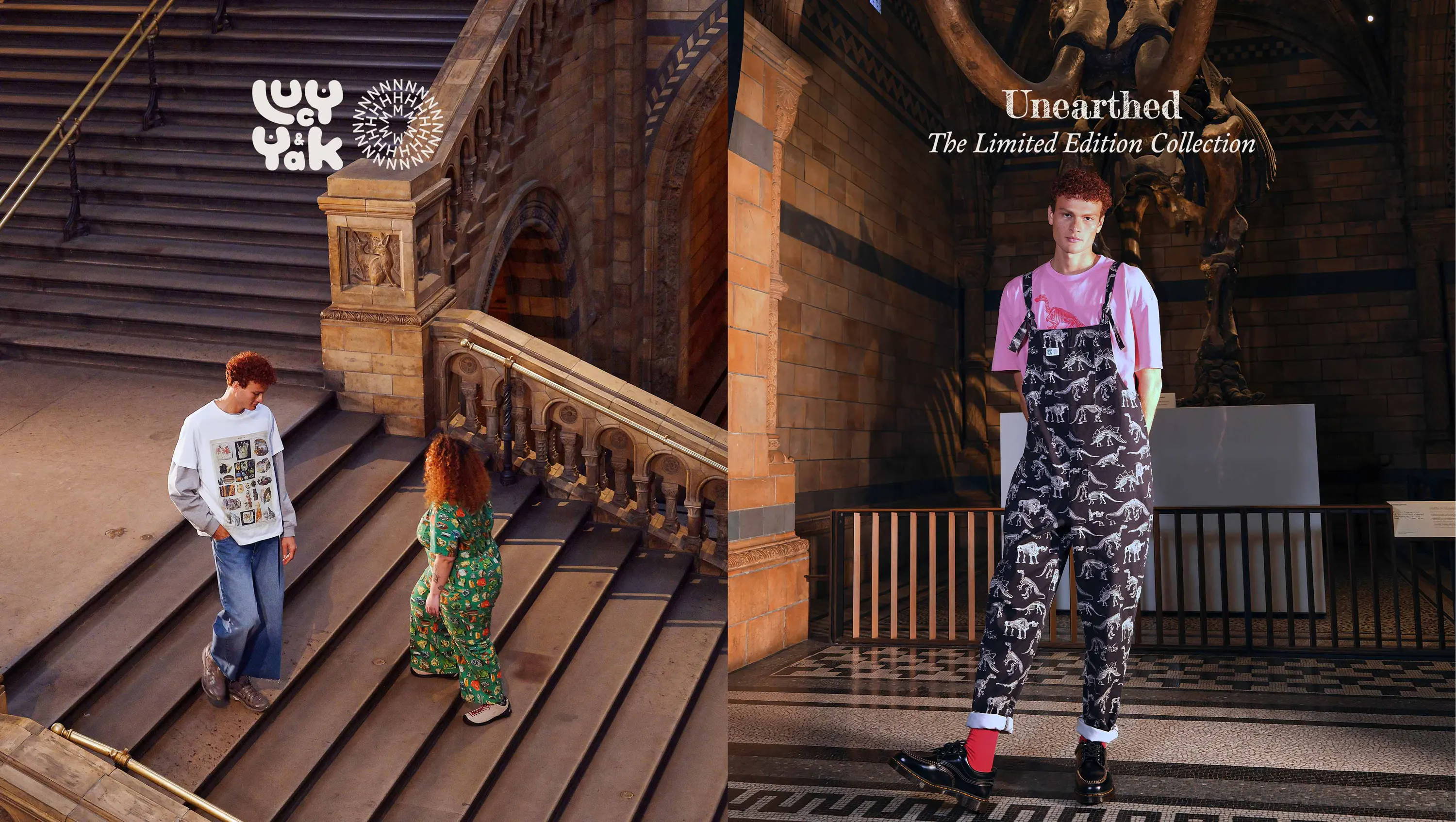

Unearthed: The Limited Edition Collection

The Natural History Museum is one of the world’s most celebrated institutions, dedicated to the study and understanding of the natural world. Founded in 1881, it has become synonymous with discovery; home to iconic dinosaur skeletons, vast collections of gemstones and minerals, and exhibitions that explore everything from earthquakes and volcanoes to evolution and biodiversity.
Its galleries serve as a powerful reminder of the beauty and complexity of the natural world and humanity’s relationship to it, and its science research is finding solutions to some of the biggest challenges facing our planet.
The vision for the Natural History Museum came from the anatomist and Museum founder Sir Richard Owen.
In the mid-nineteenth century, museums were often exclusive spaces, accessible only to the wealthy. Owen believed something radically different: that knowledge of the natural world should be free and available to everyone. He imagined a museum large enough to house all forms of life and biodiversity, from the smallest specimens to the most monumental creatures. His foresight shaped the Museum we know today, allowing it to display giants such as the beloved Diplodocus cast, which stood in the Museum for more than 100 years.
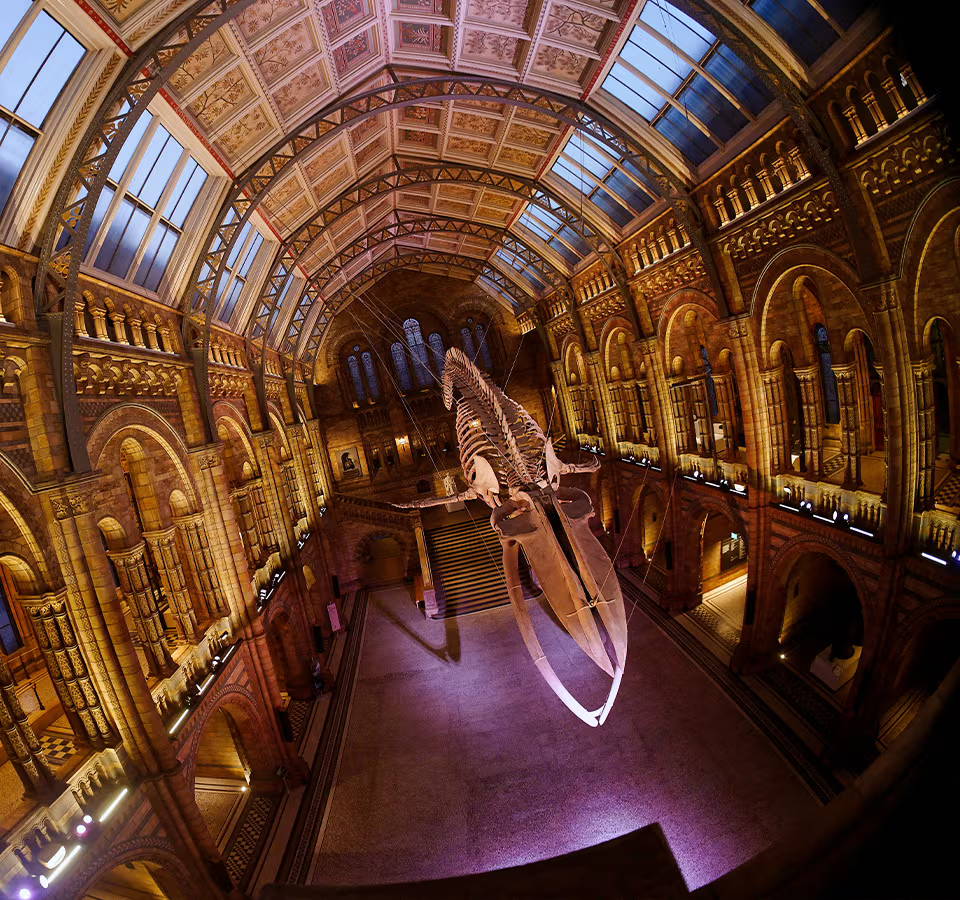
Today, that sense of wonder continues with Hope, the iconic blue whale skeleton suspended in Hintze Hall. Discovered off the coast of Ireland in 1871 and installed in 2017, Hope is more than a spectacular exhibit.
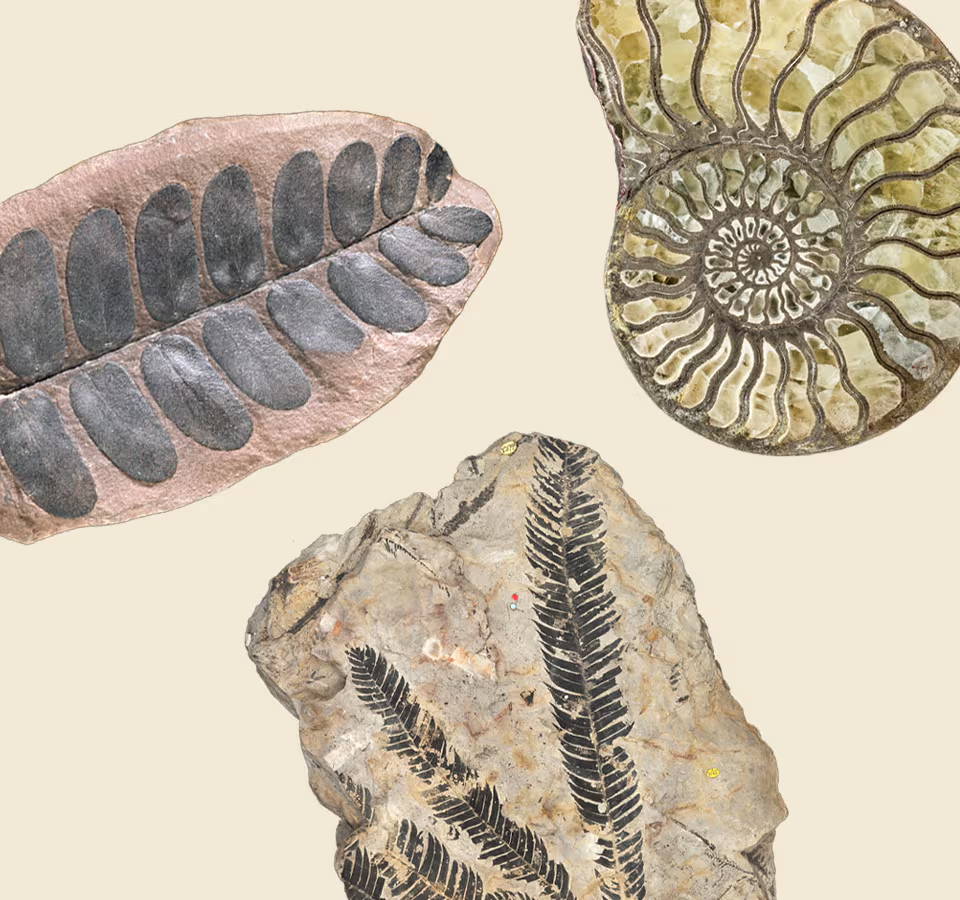
She stands as a symbol of humanity’s responsibility to protect the natural world and the species we share it with. It is within this context that Lucy & Yak and the Natural History Museum came together to create a limited-edition collection celebrating our natural world, past and present. From the smallest minerals hidden deep within Earth’s crust to the towering bones of dinosaurs that roamed millions of years ago, every natural element plays a part in our shared story.
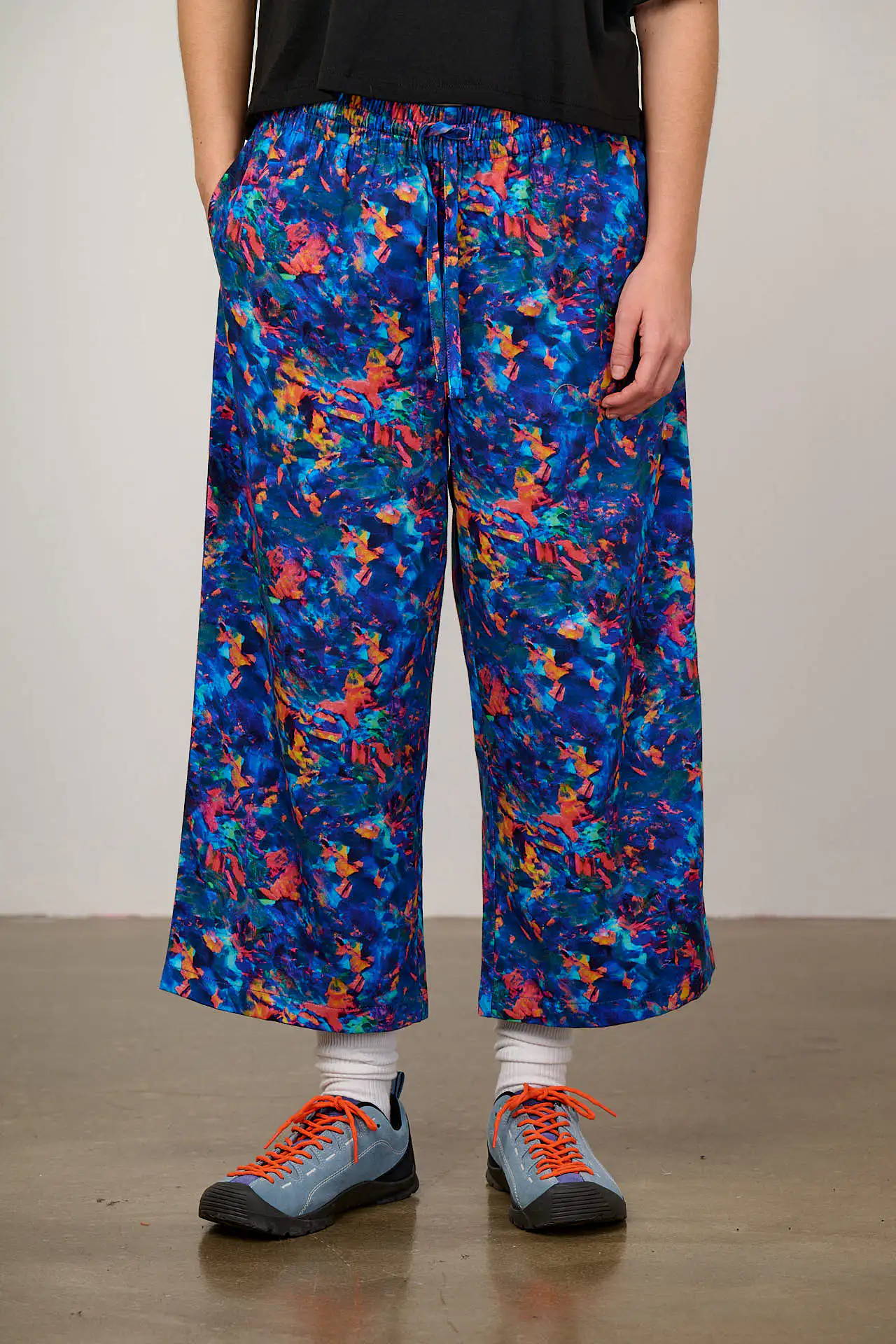
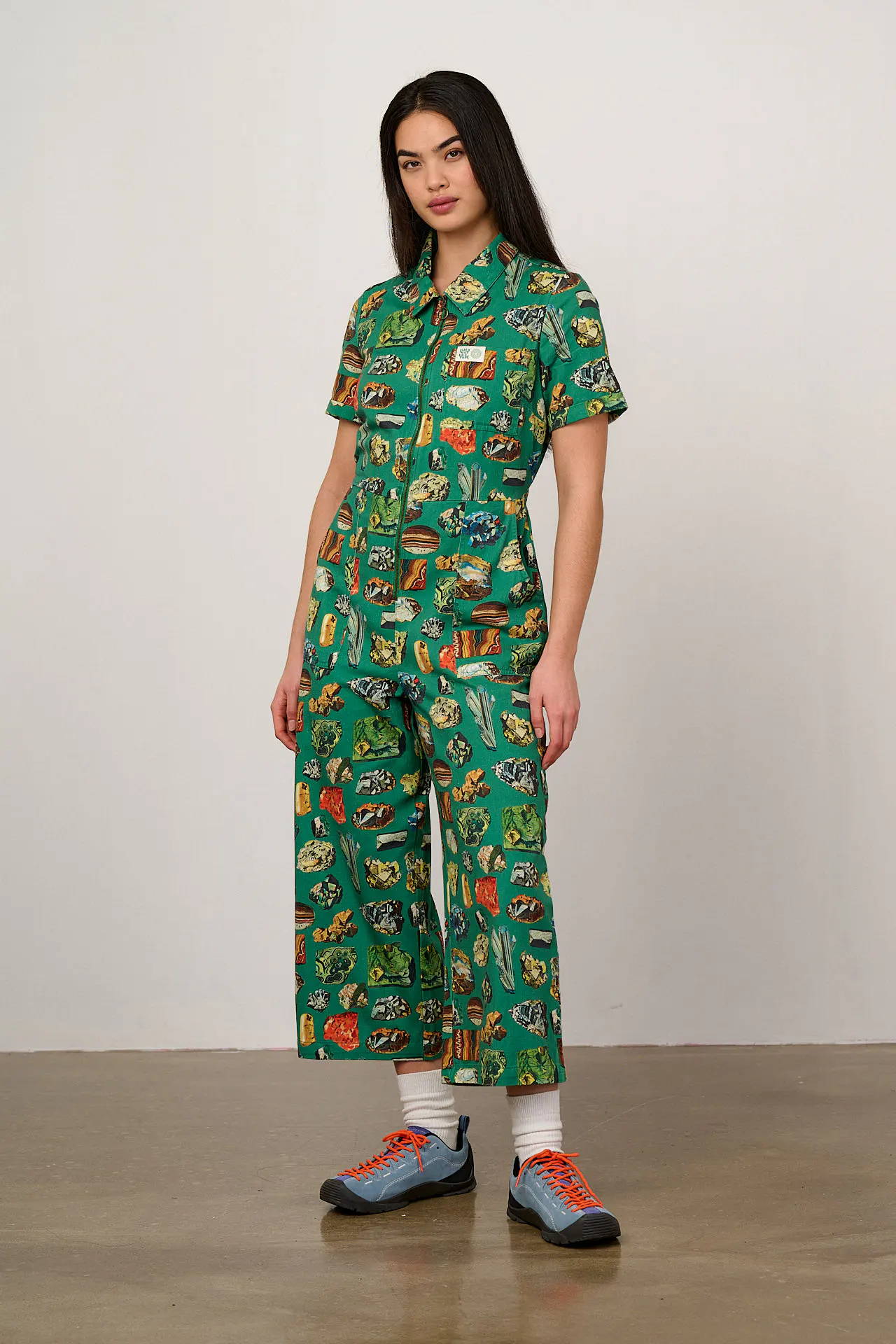
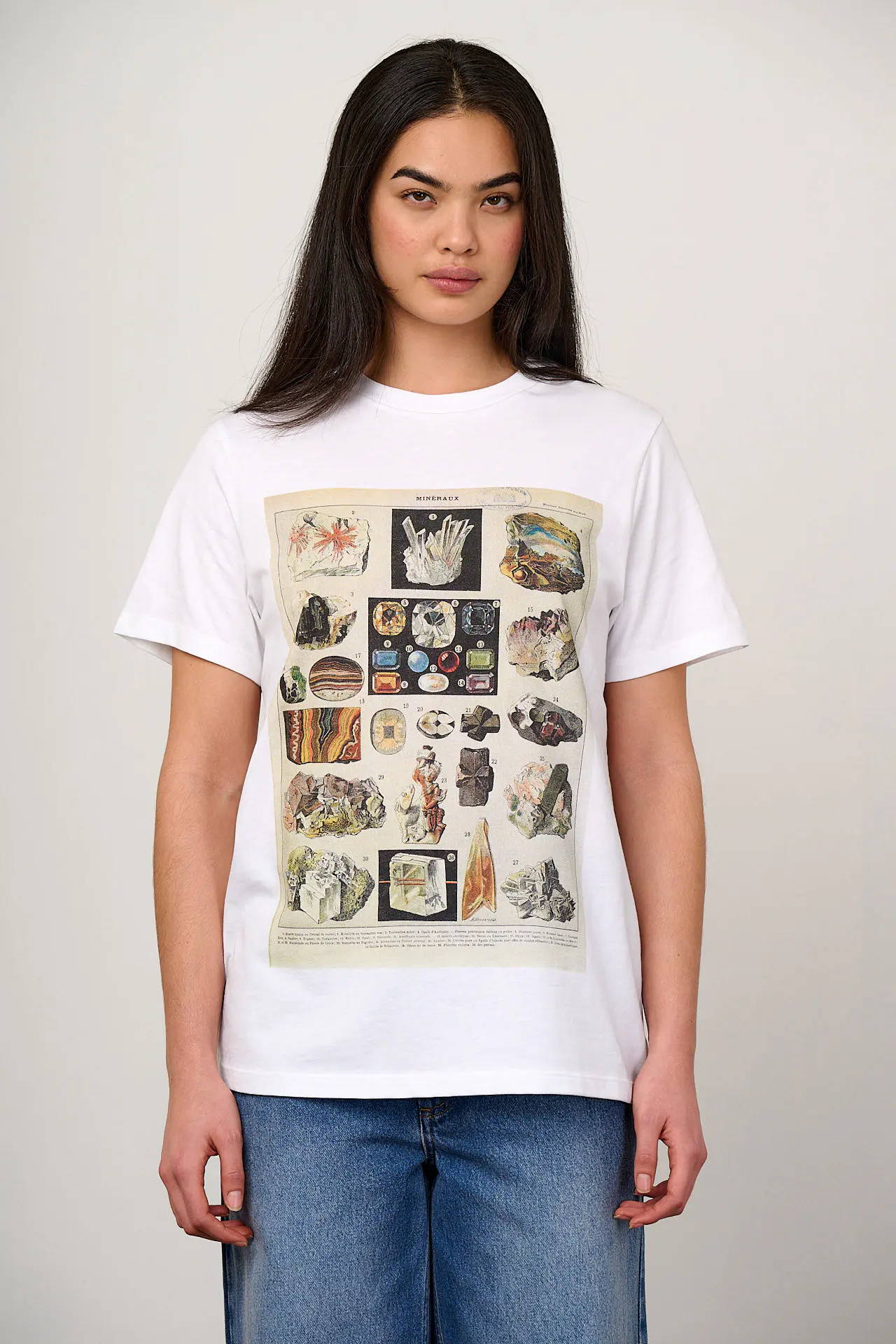
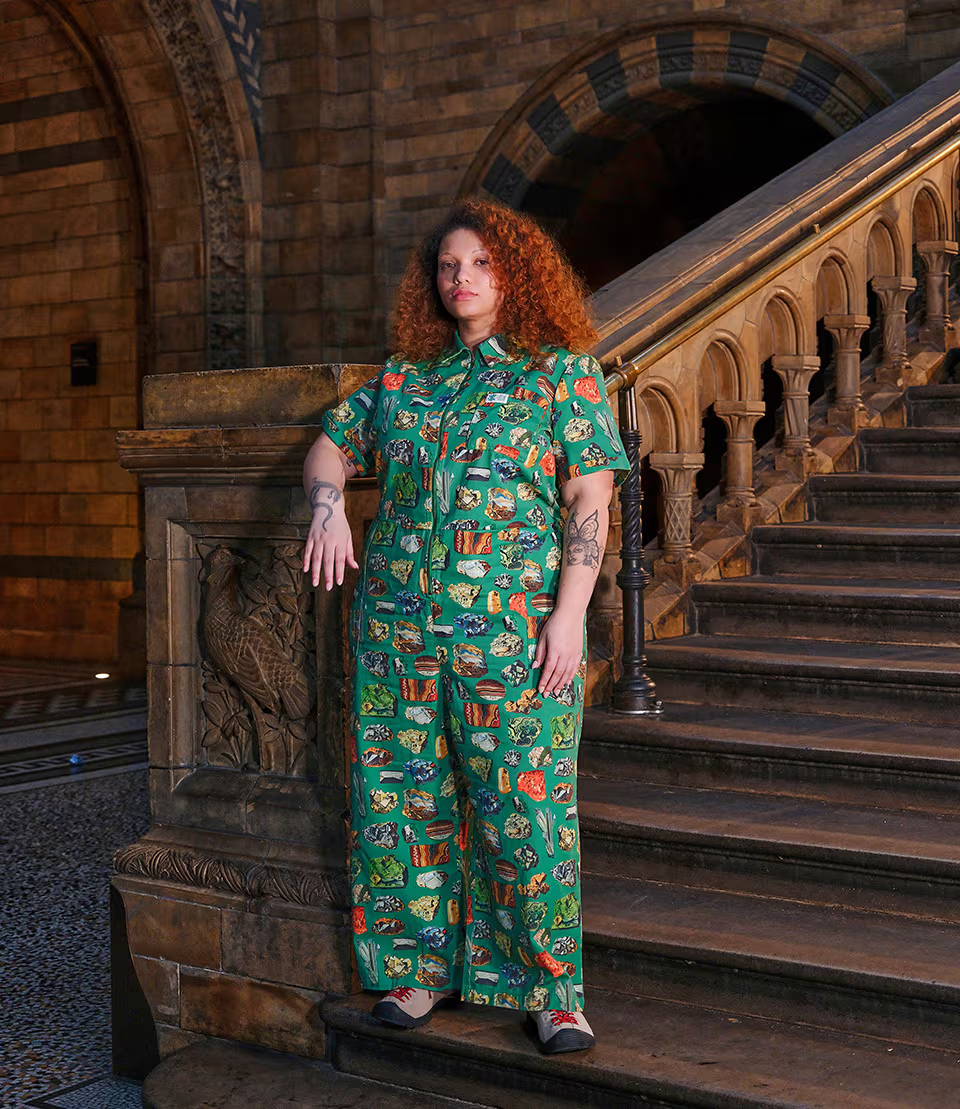
The collection draws directly from the Museum’s extraordinary archives. Our teams dived deep into centuries-old drawings and records: dinosaur skeletons discovered around the world, alongside rare minerals, rocks, and crystals that are vital to the balance of our ecosystems.
A visit to the Museum’s archives felt like stepping into another world. Taken behind the scenes, the team explored vast volumes described by them as “giant books,” filled with original paintings, illustrations, and artworks - each one a testament to humanity’s enduring curiosity about the natural world.
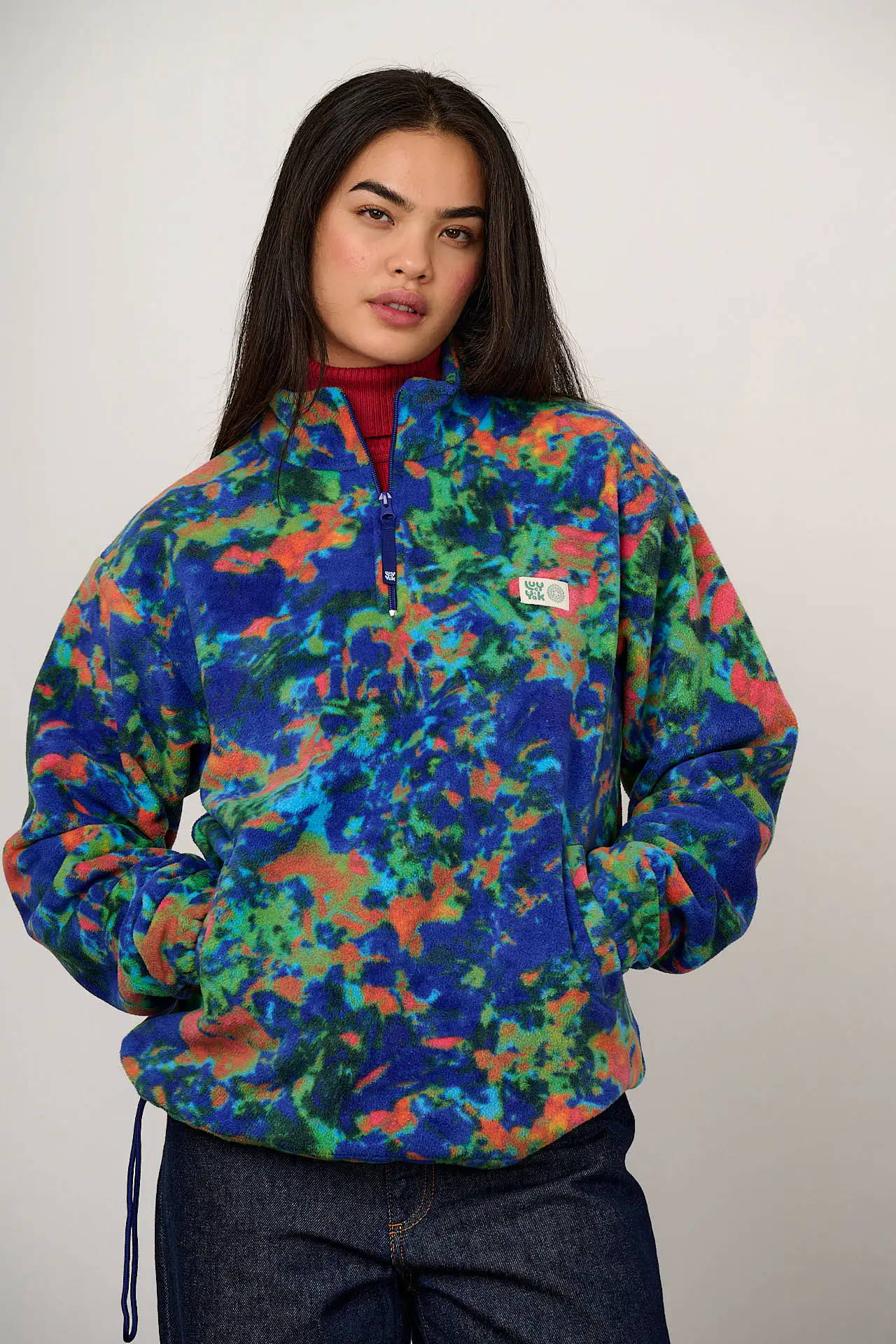
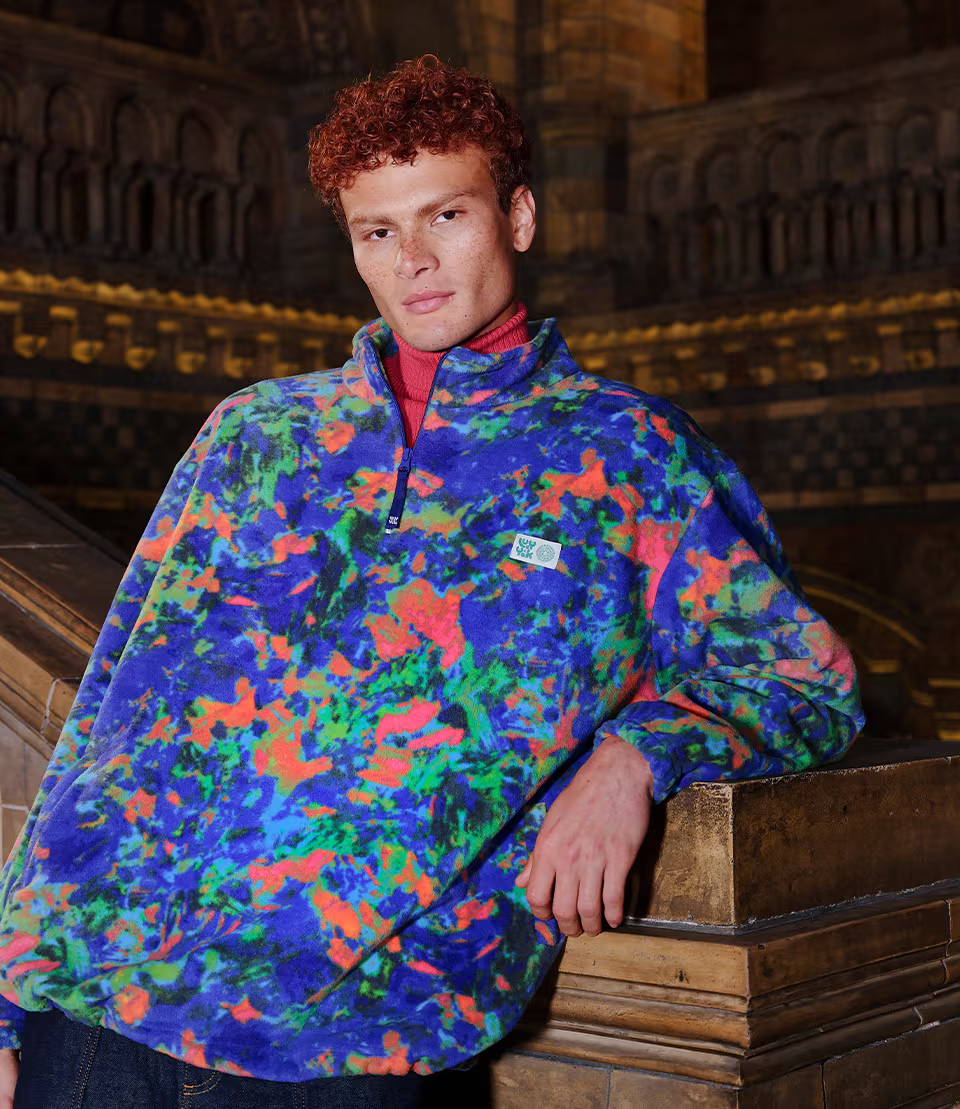
Our design team spent time studying meticulous drawings created by early naturalists and geologists: plants, mushrooms, sea life, minerals, and rocks. Our Design Manager Elspeth, who is responsible for the collection’s prints, was especially drawn to these works. Her love of marbling was echoed in the swirling shapes and layered colours of the mineral studies. One green mineral illustration, in particular, felt instantly familiar, mirroring prints she has created in the past.
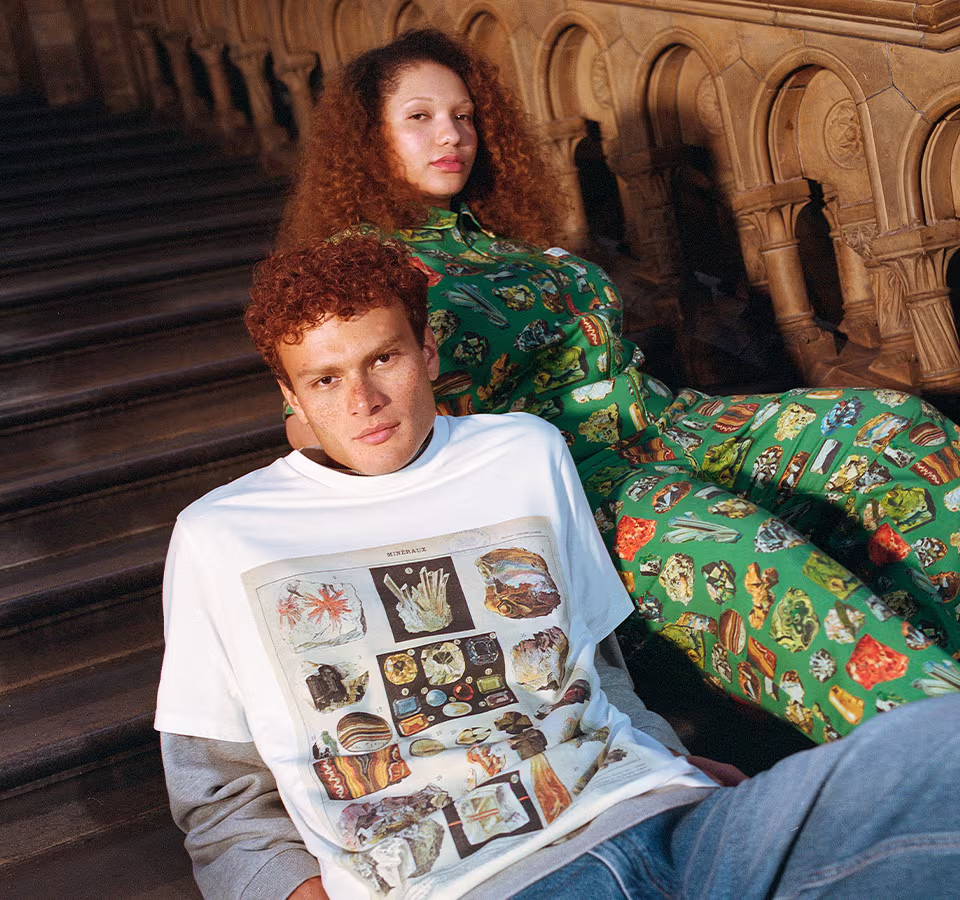
The team felt both inspired and deeply aware of the responsibility that came with working so closely with such a precious archive.
And then, of course, there were the dinosaurs.
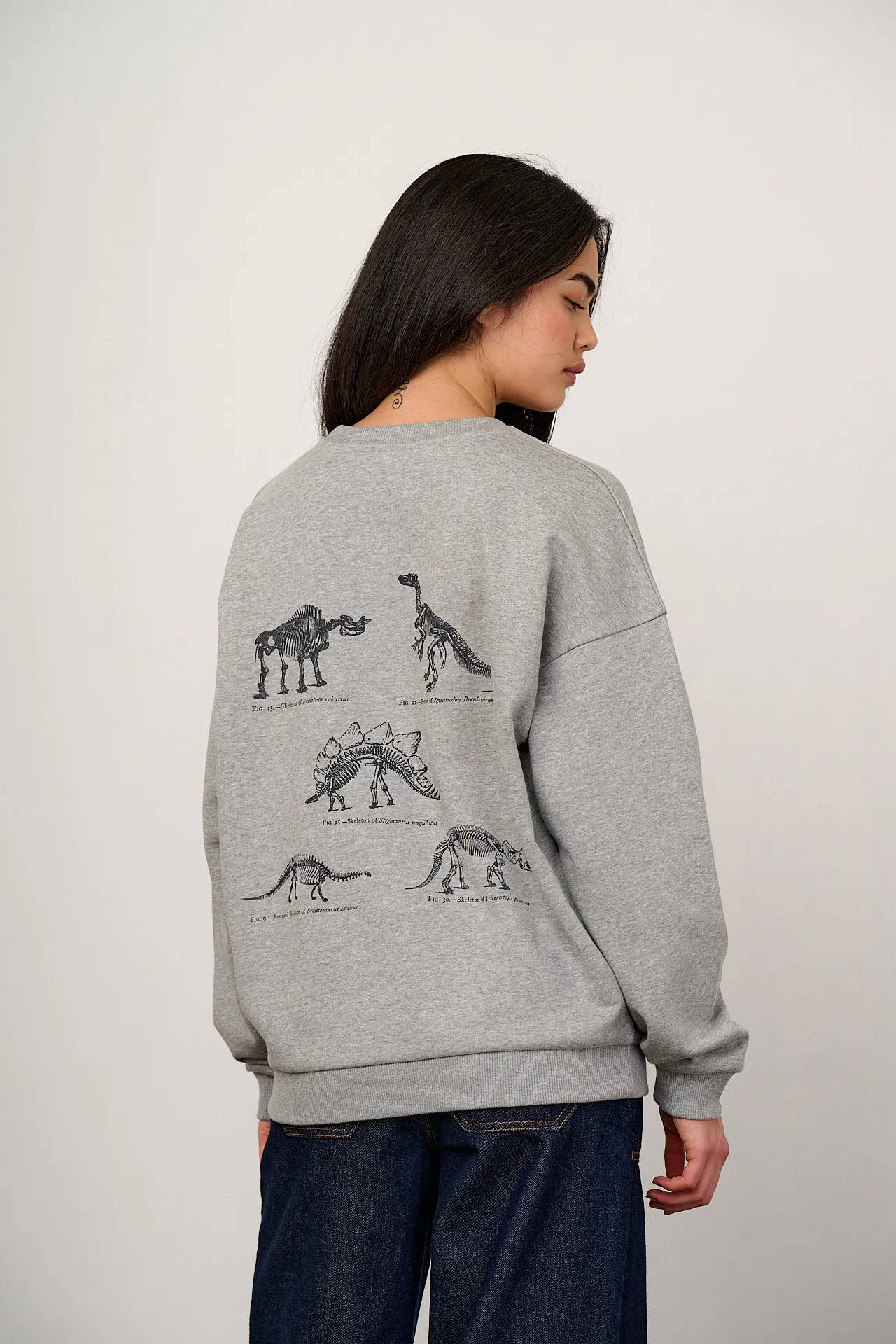
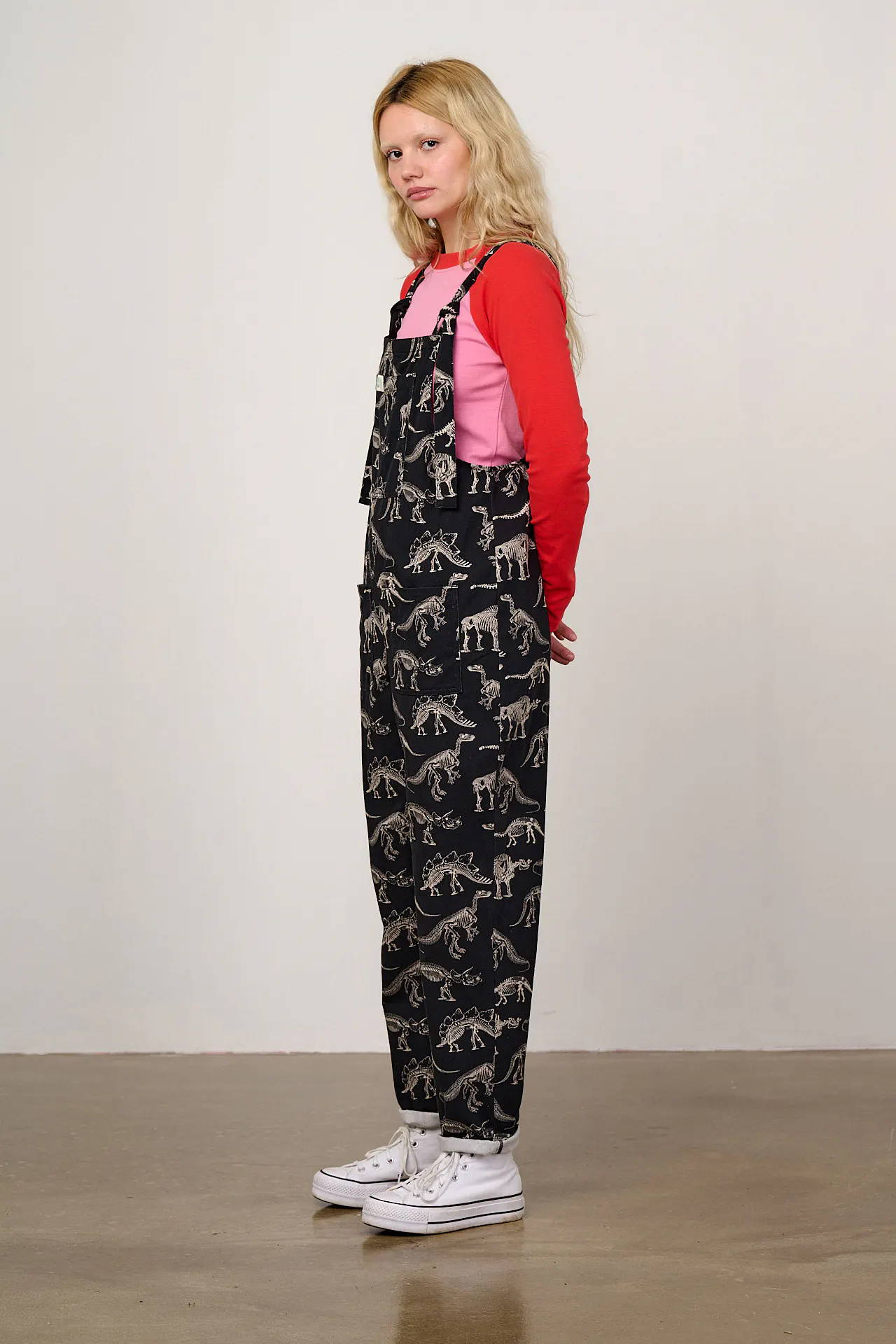
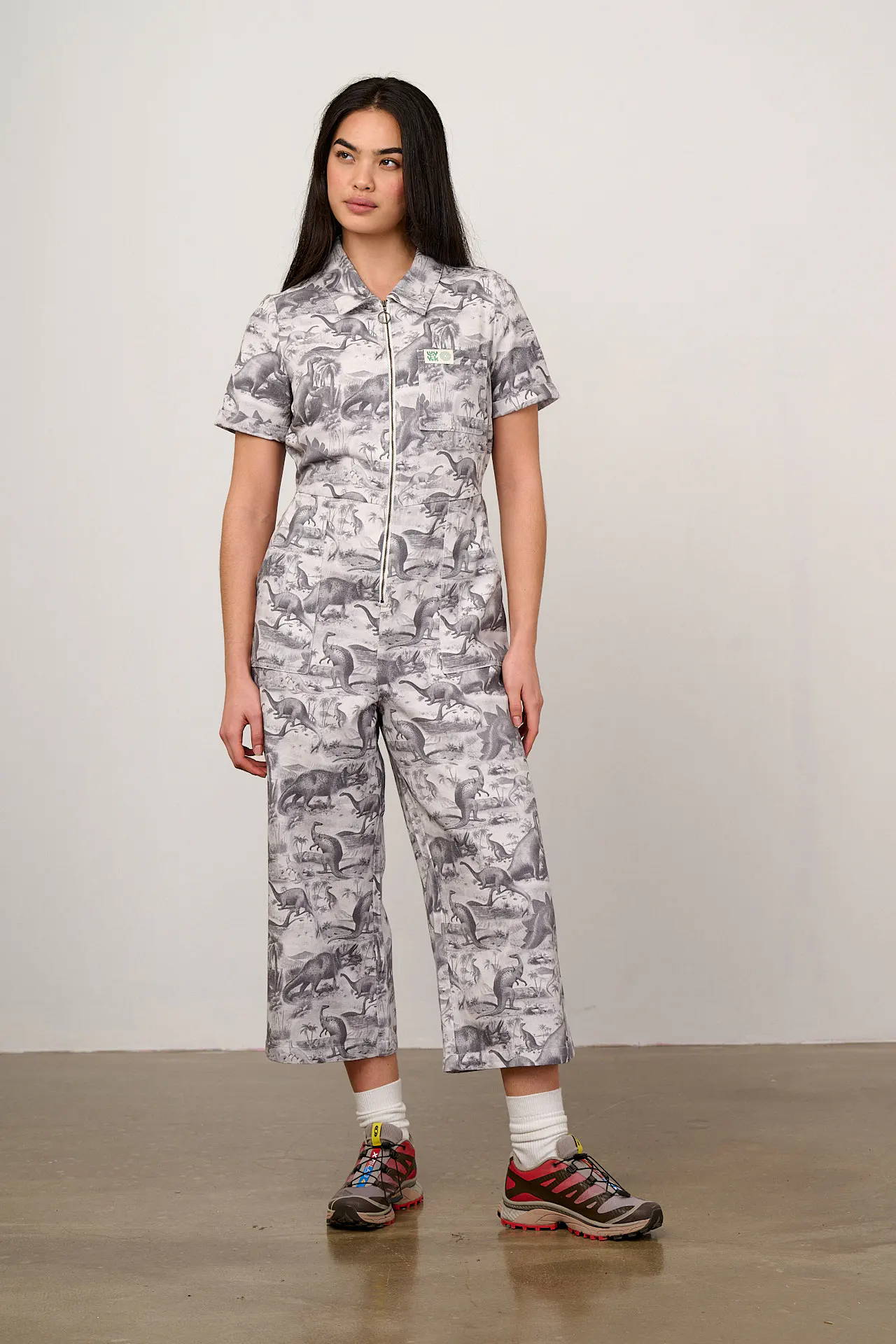
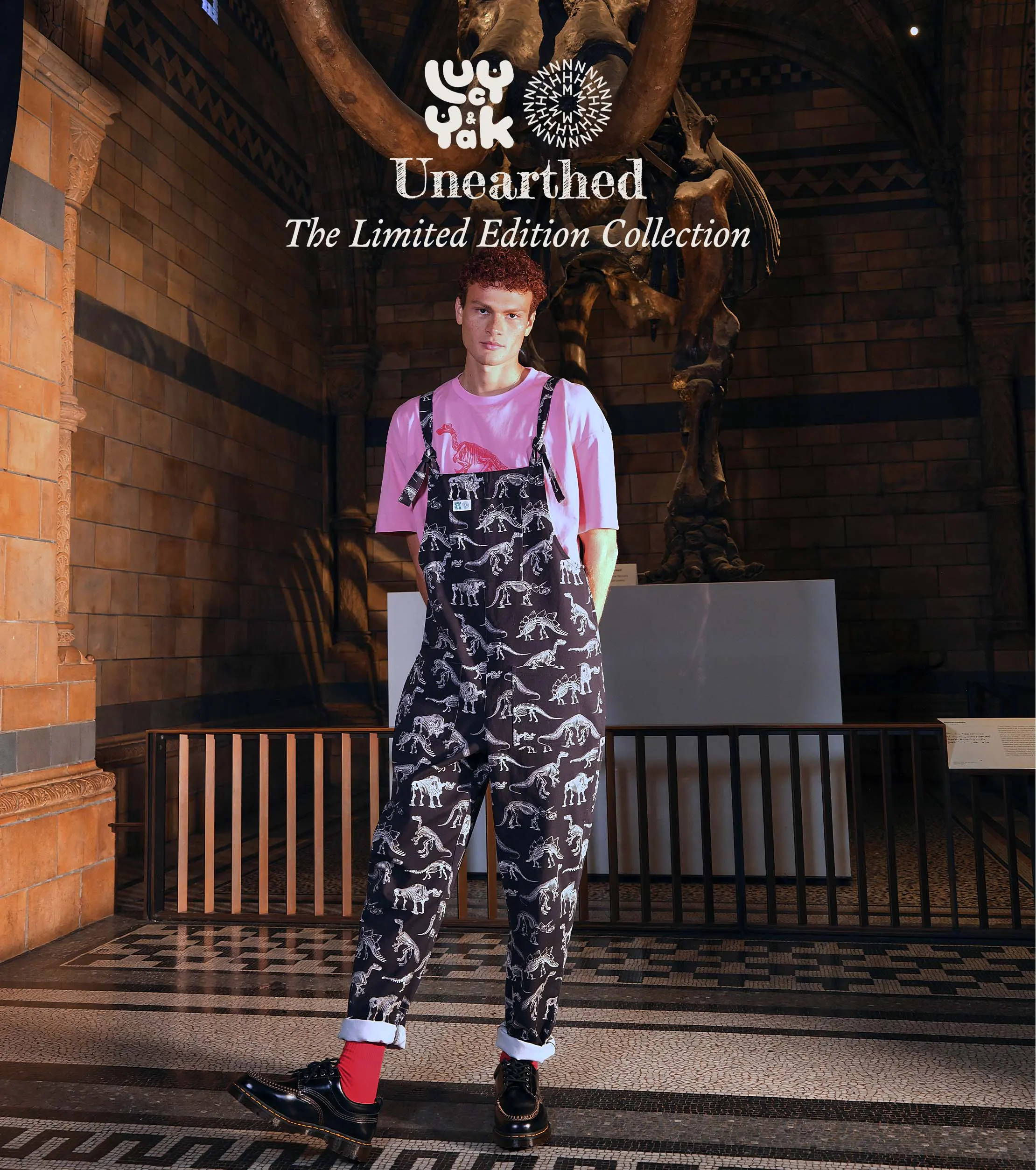
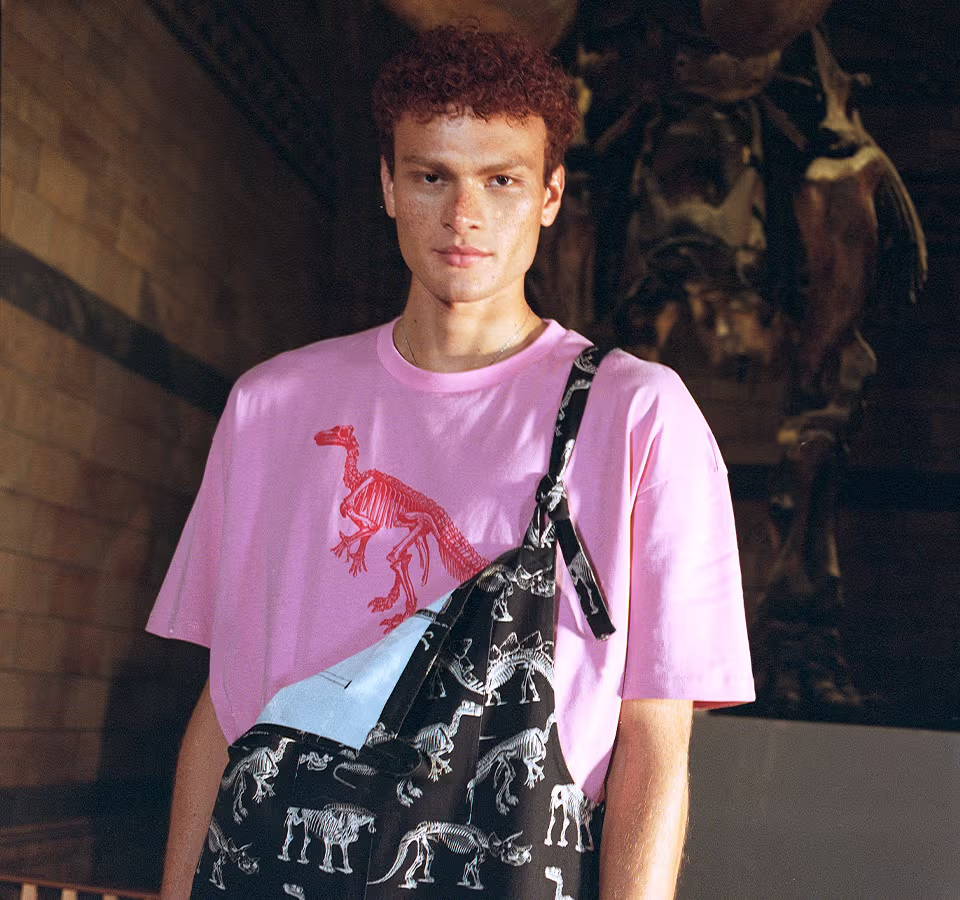
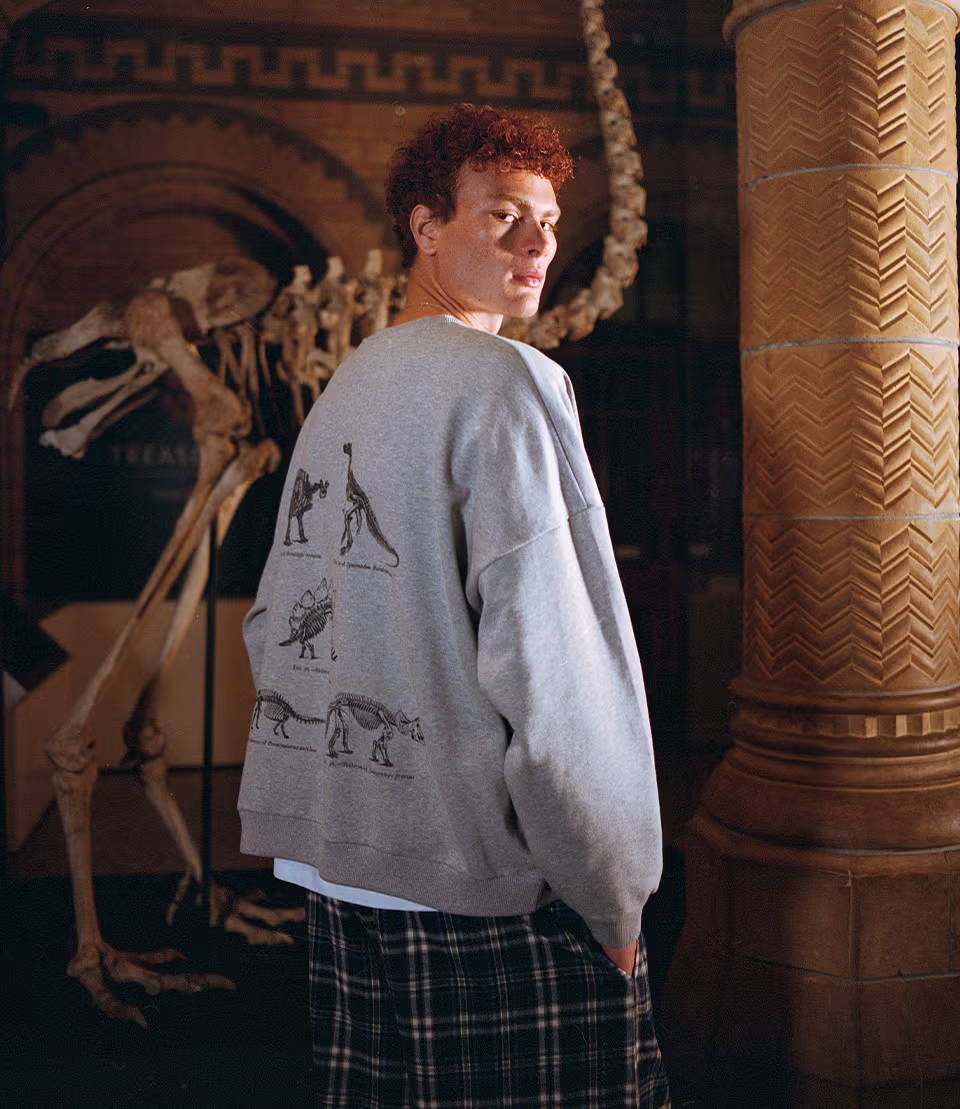
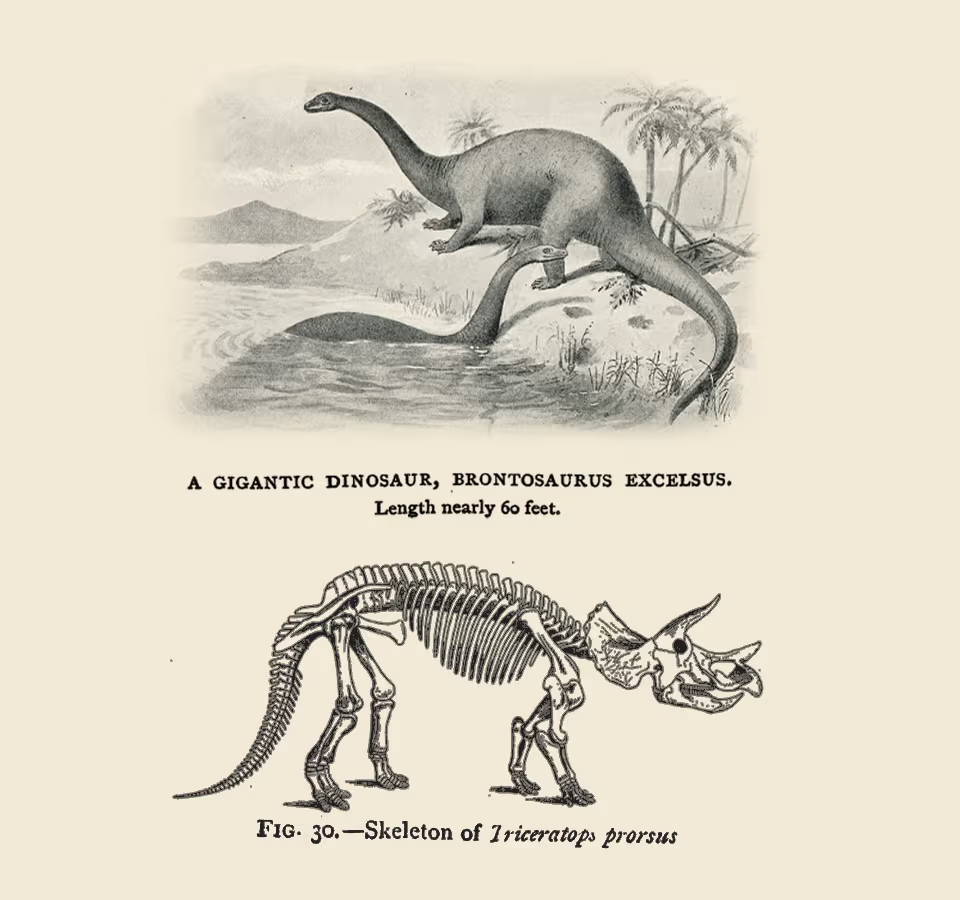
The Natural History Museum is inseparable from its dinosaurs, and the sheer scale of the collection meant that they were a must-have! Once again, the Museum opened its archives to us, granting access to an extensive range of drawings and sketches. The book the teams worked from was aptly titled Extinct Monsters, featuring not only dinosaurs but other long-lost creatures, like giant sloths.
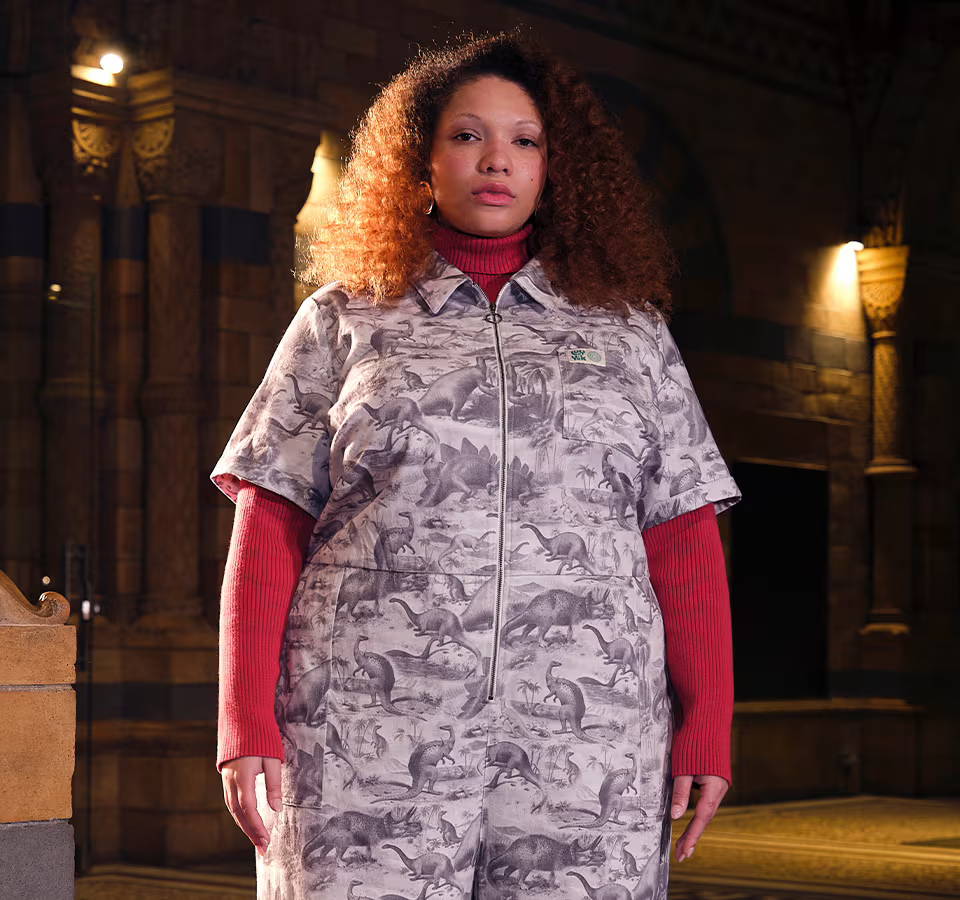
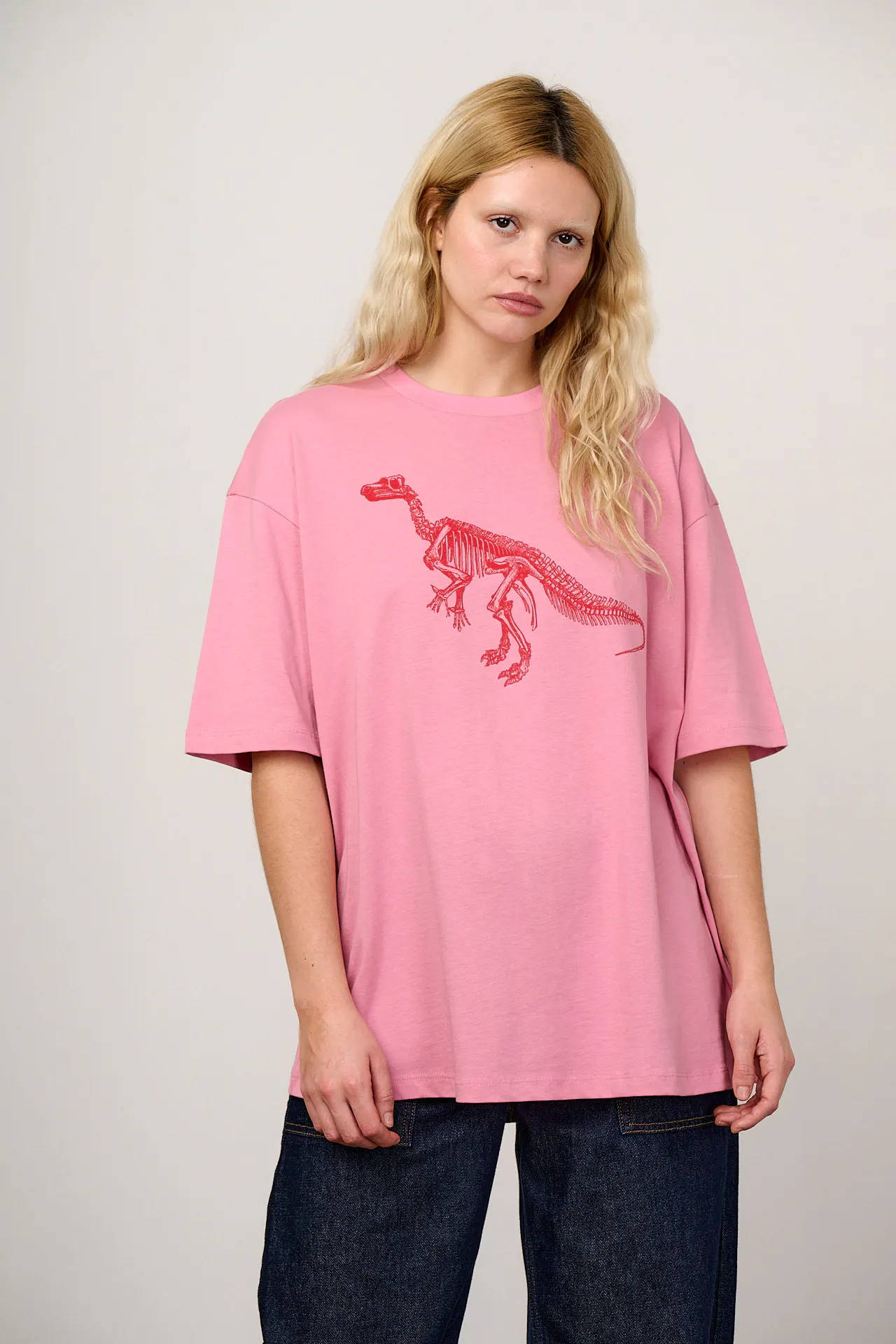
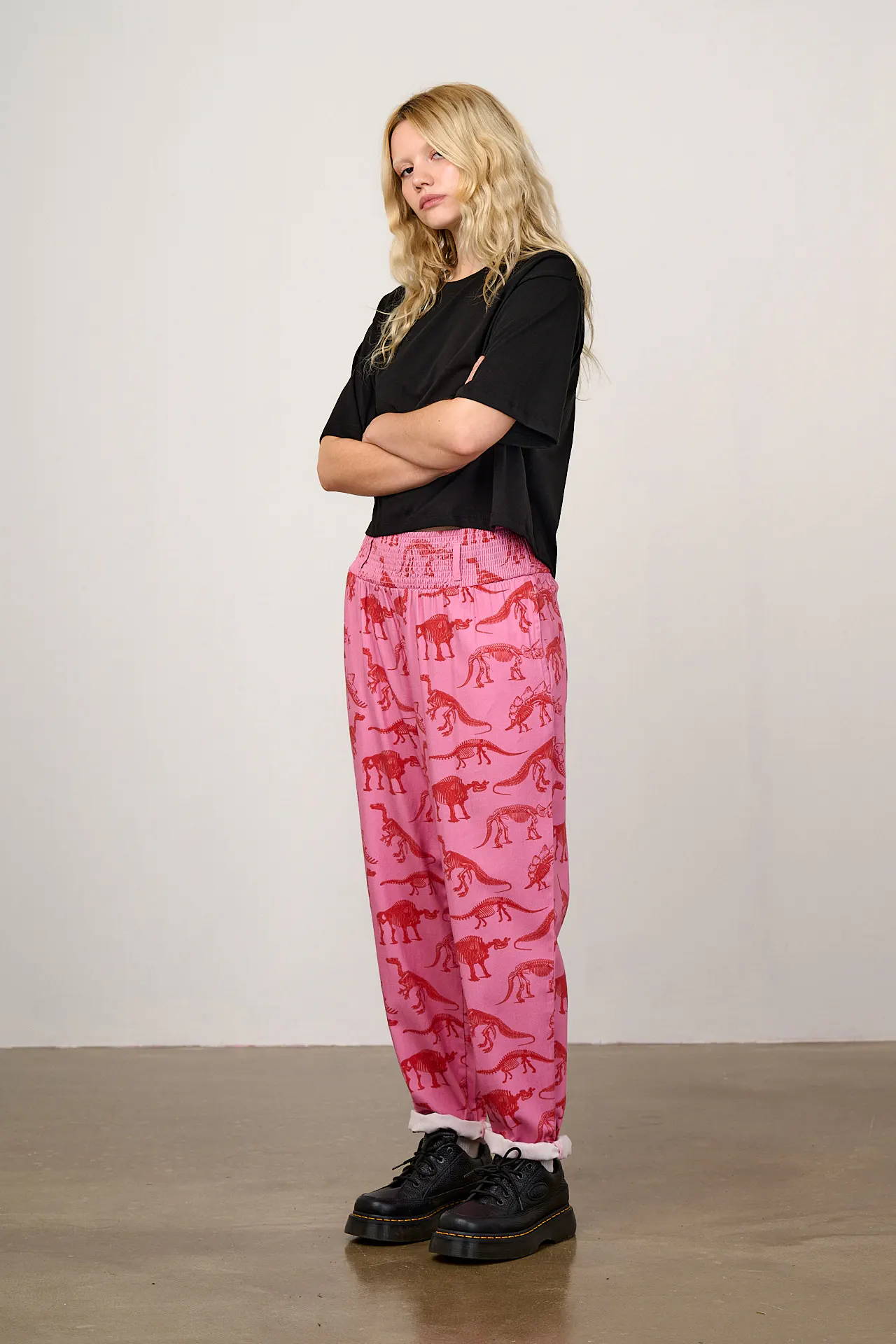
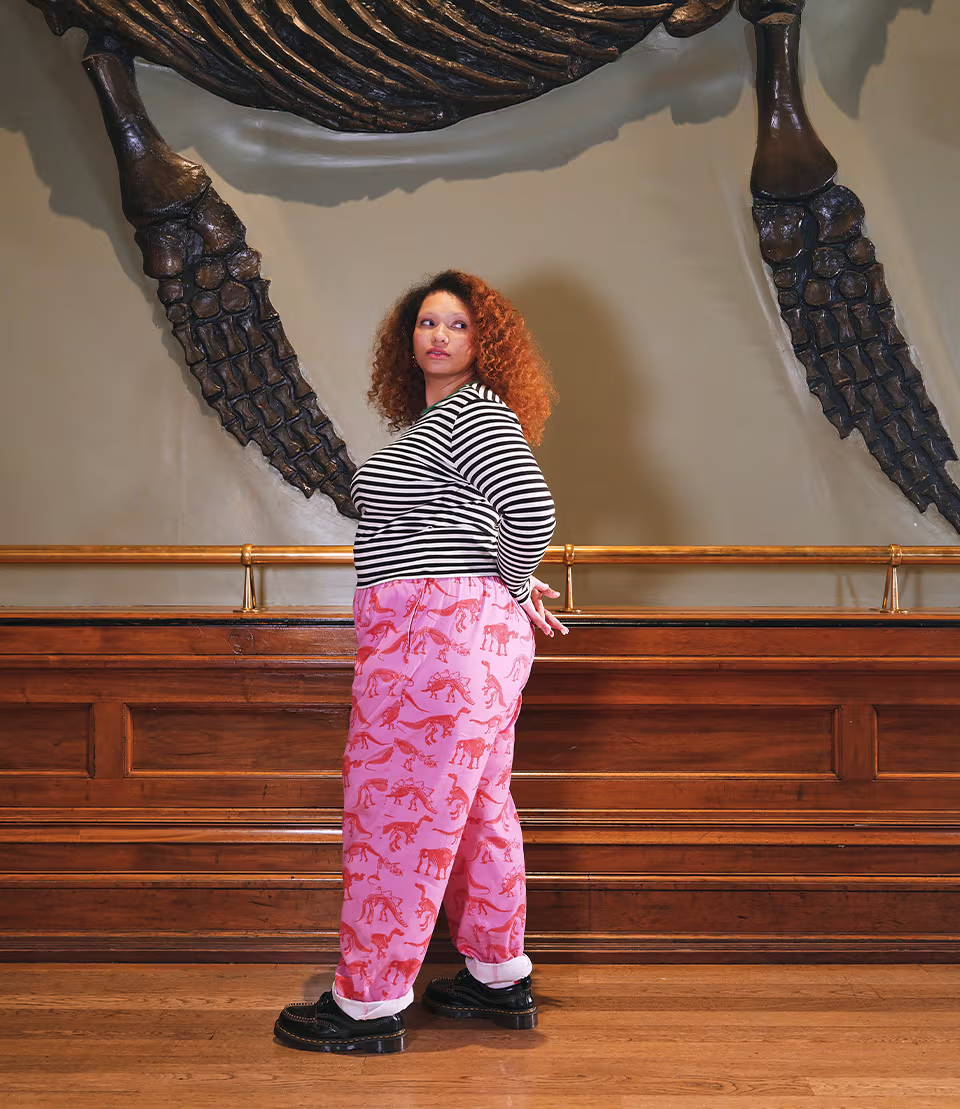
Using the Museum’s meticulously photographed and catalogued online archive, our team began working with the drawings digitally. For the Ragan print, we focused on the dinosaur illustrations, taking great care not to alter the original artwork. Preserving their authenticity was essential. Instead, they merged multiple drawings into a single composition. With the dinosaur skeletons, the team could introduce a pop of colour (because it’s Lucy & Yak!) but in a way that remained true to the original sketches.
Ultimately, these pieces are more than just prints or pieces of clothing. They are reminders of just how incredible our world is and of the responsibility we carry to protect it.